Many parents associate orthodontics with the teenage years, picturing braces as a rite of passage for adolescents. While it's true that many teens undergo orthodontic treatment, a common misconception is that orthodontic care should wait until all permanent teeth have erupted. In reality, the American Association of Orthodontists recommends that children receive their first orthodontic evaluation by age seven. This early assessment is not necessarily about immediate treatment, but rather about identifying potential issues early on, when they can often be addressed more simply and effectively.
What is Early Orthodontic Evaluation?
An early orthodontic evaluation, sometimes referred to as 'Phase 1' or interceptive orthodontics, is a comprehensive examination of a child's bite, jaw growth, and developing teeth. By age seven, most children have a mix of primary (baby) and permanent teeth, and their jaws are still actively growing. This developmental stage provides an opportune window for an orthodontist to spot subtle problems with jaw growth and emerging teeth before they become more complex or severe. It's a proactive approach designed to guide proper development and prevent future complications, potentially reducing the need for more extensive treatment later.
Key Benefits of Early Intervention
Addressing orthodontic concerns during a child's developmental years offers a multitude of advantages that can positively impact their oral health and overall well-being.

Correcting Growth Issues
One of the primary benefits of early evaluation is the ability to influence jaw growth. If a child's upper and lower jaws are growing at different rates or are misaligned, an orthodontist can use specialized appliances to guide their development. This might involve expanding a narrow palate https://charlotte-home-pros.yousher.com/teen-dental-health-navigating-braces-wisdom-teeth-and-essential-care to create more room for erupting teeth or correcting an underbite or overbite while the bones are still pliable. Guiding growth at this stage can often prevent the need for more invasive procedures, like jaw surgery, in the future.
Preventing More Complex Problems
Early intervention can head off a host of problems. For instance, removing a primary tooth that is blocking the eruption of a permanent tooth, or correcting a crossbite, can prevent permanent teeth from erupting in severely misaligned positions. Addressing habits like thumb-sucking or tongue thrusting can also prevent long-term dental and skeletal issues.
Improving Speech and Chewing
Misaligned teeth or jaw discrepancies can sometimes interfere with a child's ability to chew food properly or pronounce certain words. Correcting these issues early can improve digestive health and boost a child's confidence in social situations by improving their speech clarity.
Boosting Self-Esteem
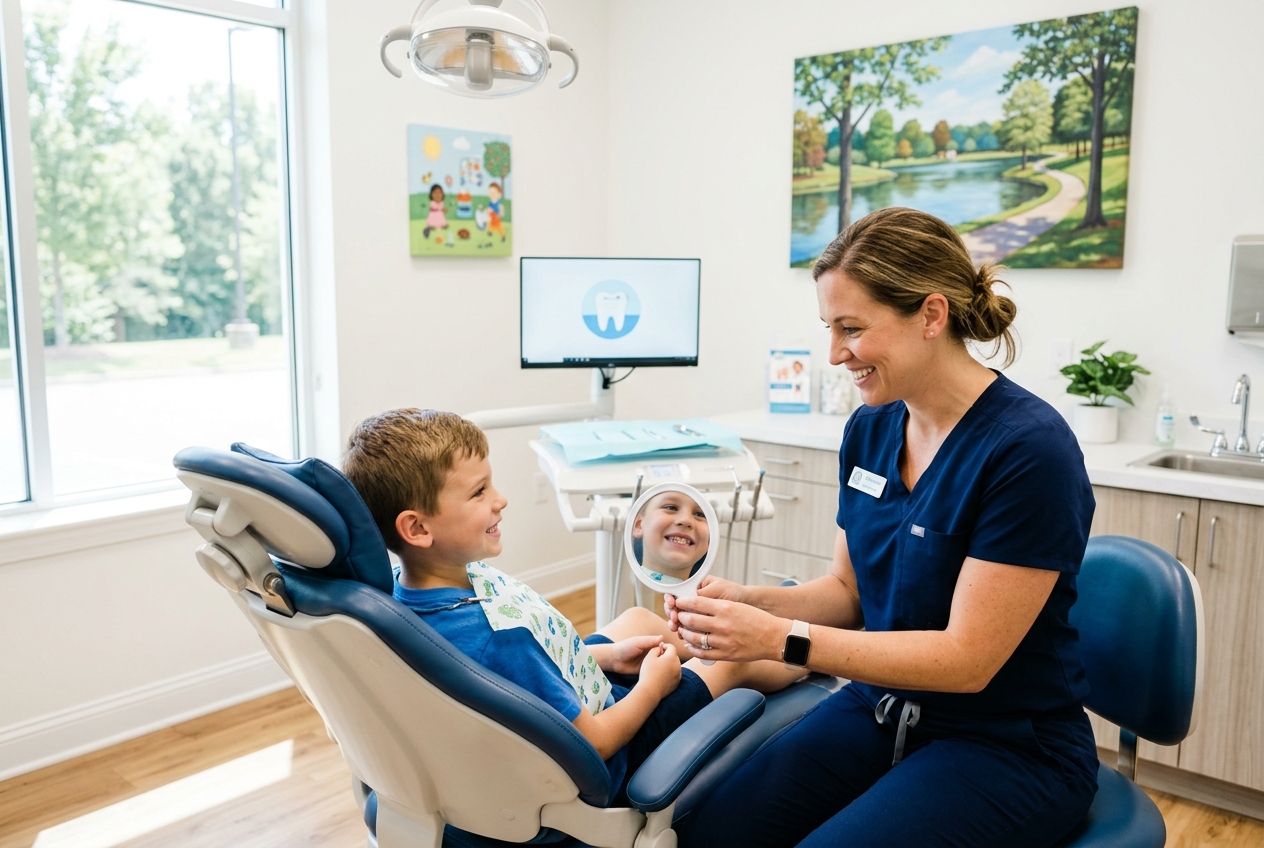
While often overlooked, the psychological impact of dental issues can be significant. Children who are self-conscious about crooked teeth, gaps, or an uneven bite may experience lower self-esteem. Early orthodontic care can correct these concerns before they become deeply ingrained, fostering a more positive self-image during formative years.
Potentially Simplifying Future Treatment
By correcting foundational issues early, the need for extensive, time-consuming, or more complex orthodontic treatment during the teenage years can often be reduced or even eliminated. This could mean shorter overall treatment times, fewer extractions, or a less complicated approach to achieving a beautiful, healthy smile.
Signs Your Child Might Need an Early Evaluation
While an early evaluation is recommended for all children, there are specific signs that might indicate a more urgent need. If you observe any of the following in your child, it's a good idea to schedule a consultation:
- Early or late loss of baby teethDifficulty chewing or bitingMouth breathingThumb sucking or finger sucking past age fiveCrowded or misplaced teethJaws that shift or make soundsProtruding teethTeeth that don't meet properly, or don't meet at allAn unbalanced facial appearance
The Evaluation Process at Piedmont Dental
When you bring your child to Piedmont Dental for an early orthodontic evaluation, our team will conduct a thorough examination. This typically involves reviewing your child's medical and dental history, performing a visual assessment of their teeth and jaws, and possibly taking digital X-rays or photographs. We'll look for any signs of developing problems, such as crowding, spacing issues, crossbites, overbites, underbites, or habits that could impact their oral development. Our goal is to assess their unique needs and determine the most appropriate course of action, whether that's simply monitoring their growth or recommending interceptive treatment.
Next Steps After Evaluation
It's important to remember that an early evaluation doesn't always lead to immediate treatment. In many cases, the orthodontist might recommend a 'watch and wait' approach, simply monitoring your child's development with periodic check-ups. If treatment is recommended, it will be tailored to your child's specific needs and could involve appliances like expanders, partial braces, or habit correctors. Our team at Piedmont Dental will always explain all options clearly, ensuring you understand the benefits and process of any recommended treatment.
Why Choose Piedmont Dental for Your Child's Orthodontic Needs
Choosing the right dental practice for your child's early orthodontic evaluation is a significant decision. At Piedmont Dental, our team is dedicated to providing compassionate, high-quality care in a welcoming environment. We understand the unique needs of growing children and are committed to guiding their oral development with the latest techniques and personalized treatment plans. Our focus is always on achieving long-term health and a confident smile for your child.
An early orthodontic evaluation is an investment in your child's future oral health. By catching potential problems at a young age, you can help them avoid more complex, costly, and time-consuming treatments down the road. Don't wait until all their permanent teeth are in; schedule an evaluation today to give your child the best start towards a lifetime of healthy smiles.